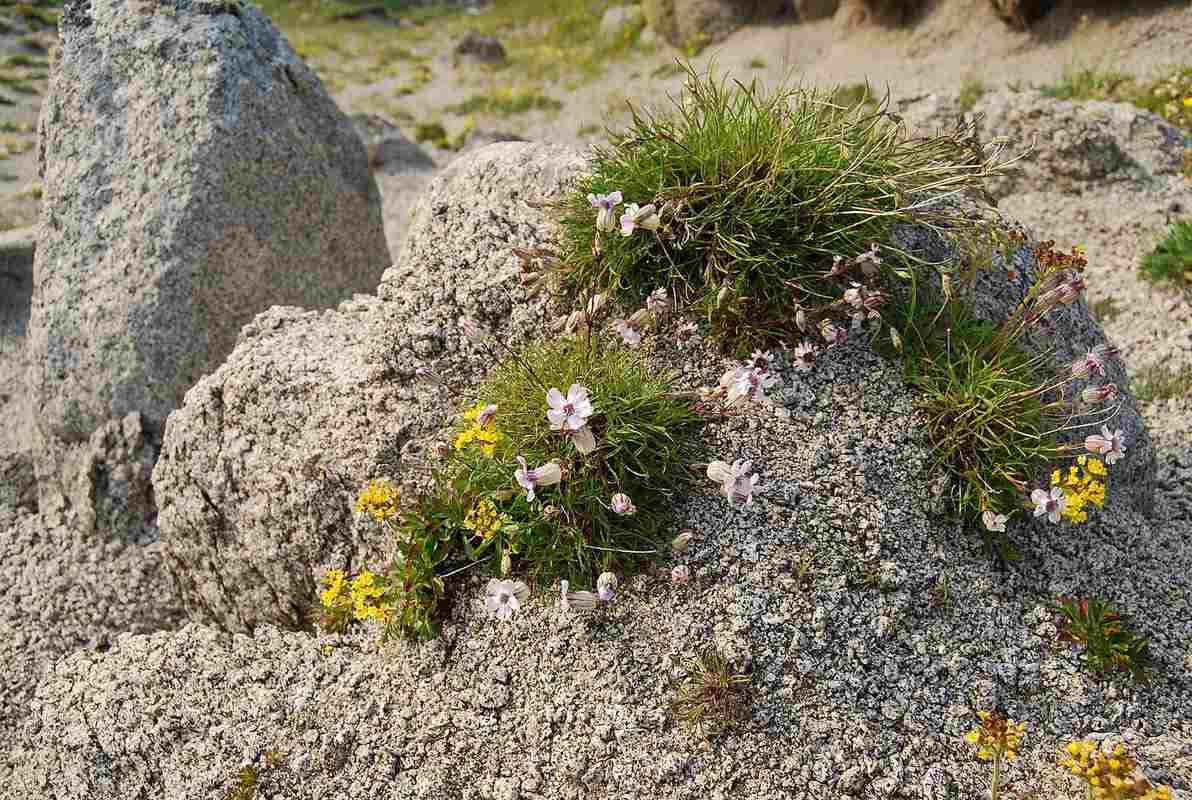
Okay so I was reading about this crazy story from 14 years ago, and I'm like, this is actually really cool. So, apparently, a team of Russian botanists managed to regenerate 36 specimens of Silene stenophylla from frozen samples of the plant's fruit that had been buried in the Russian permafrost for, like, 40 to 60,000 years. I mean, can you even wrap your head around that? It's like, ice age stuff (literally).
Anyway, these samples were buried by squirrels, which is just, like, the best part of the story. I mean, who needs humans when you have squirrels doing the legwork, right? (I swear, they're like the ultimate planners – storing food for the apocalypse and all that).
So, the botanists extracted placental cells from the frozen fruit and used radiocarbon dating to, you know, figure out how old it was. And, apparently, this surpassed the previous record for regeneration by more than 10 times, which is just, like, wow. I don't even know what to say about that.
Regenerating Ancient Plants: How Does it Work?
Honestly, I'm no expert, but from what I've read, it's like, really complicated. They have to extract the cells, and then they have to, like, coax them into growing again or something. It's like, a miracle, right? (I mean, I can barely keep a houseplant alive, let alone regenerate a 40,000-year-old plant).
What Does This Mean for Us?
So, I was thinking about this, and it's like, what are the implications of this? Can we, like, bring back extinct species or something? (I know, I know, it sounds like sci-fi, but hear me out). I mean, if we can regenerate plants that are thousands of years old, what's to say we can't do the same with, like, animals or something?
Anyway, it's just, like, really cool to think about. And it's nice to have some good news for a change, you know? (I mean, it feels like all we ever hear about is, like, bad news and politics and stuff). So, yeah, let's just, like, appreciate the squirrels and the botanists and the ancient plants, okay?
✨ Let's Talk:
What do you think are the most significant implications of being able to regenerate ancient plants, and how could this technology be used in the future?